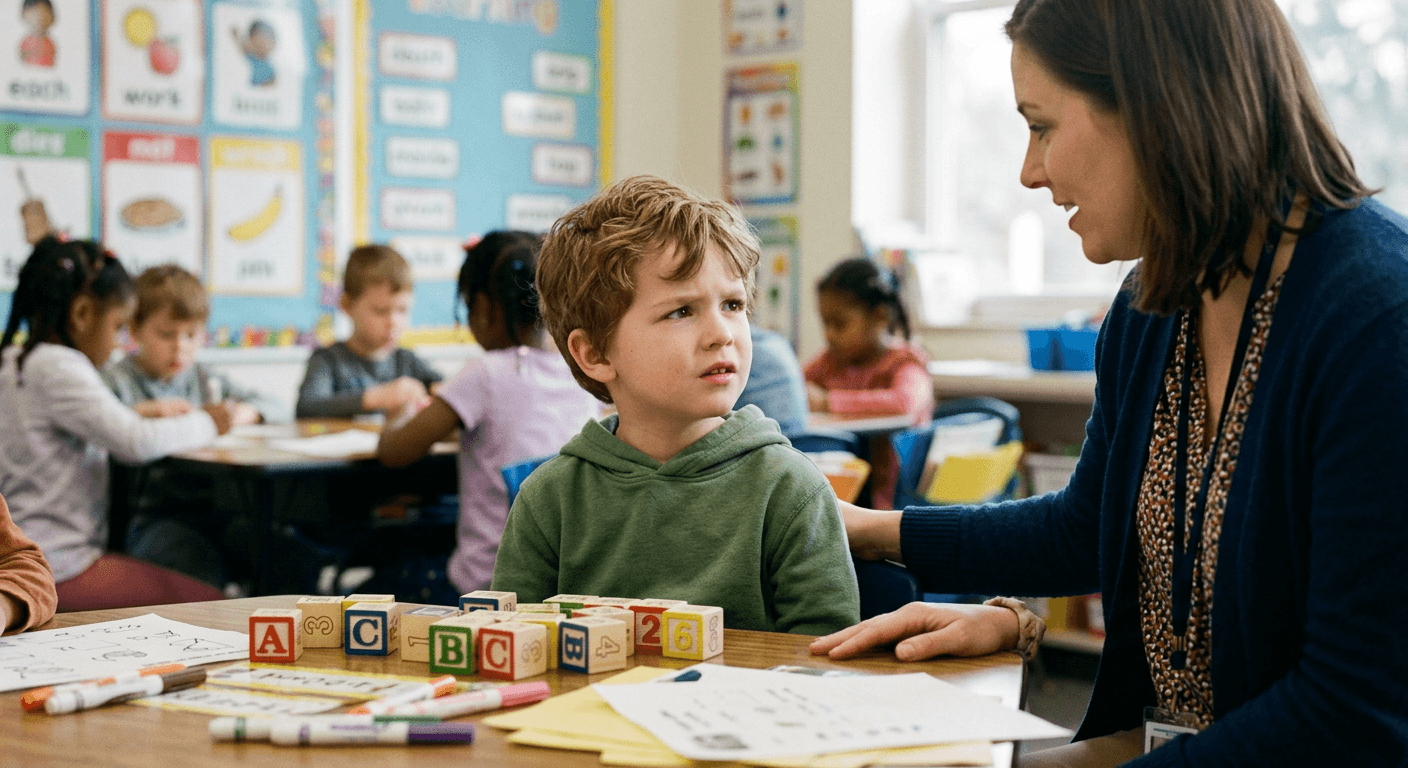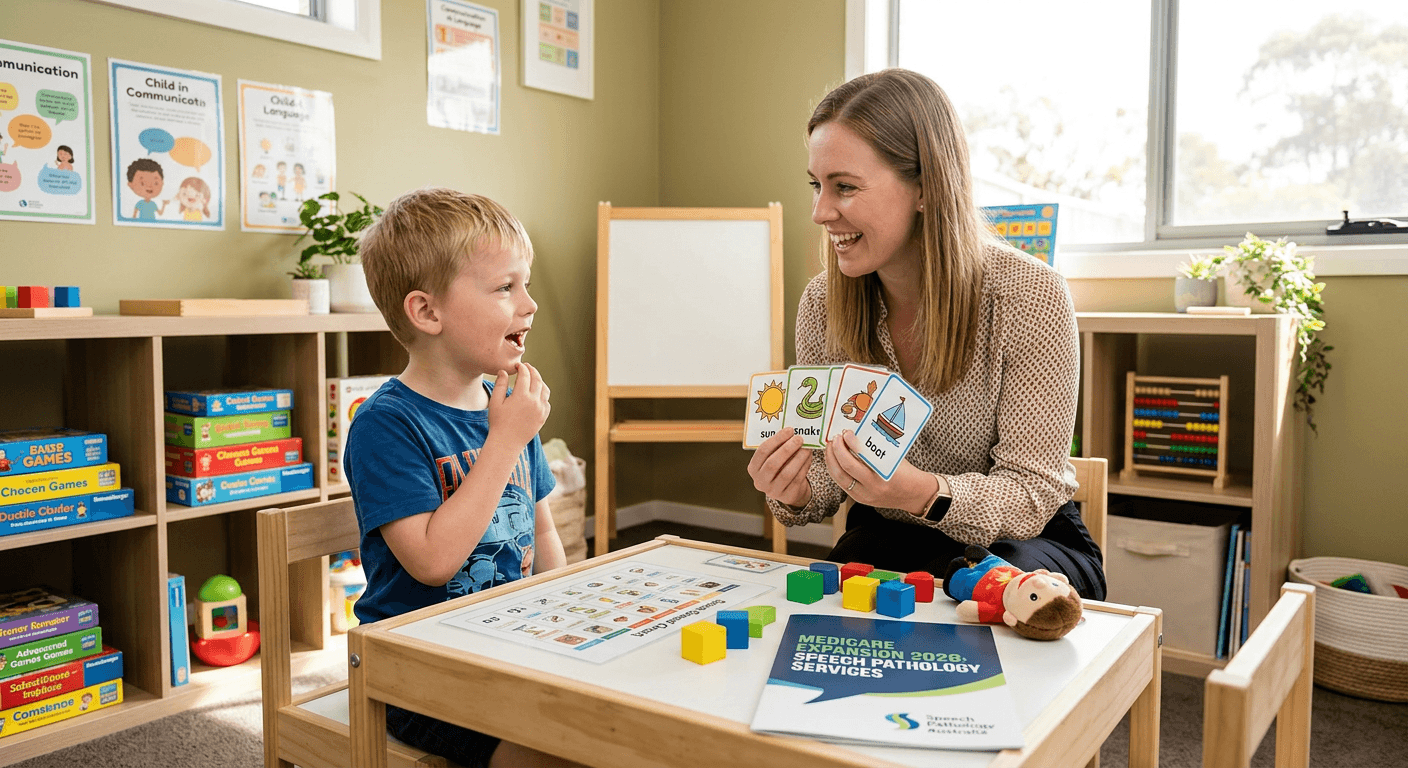
Has your child’s teacher ever said something like:
- “They just say ‘I don’t know’ to everything”
- “They’re not really participating”
- “They don’t seem to be listening”
- “They get frustrated really quickly”
- “They avoid their work”
And you’re thinking… but I know they can do it?
I hear this a lot from parents. And when we take a closer look, it’s often not just behaviour. Usually, there’s something going on with communication or language underneath it.
What I often see
Parents will describe their child as:
- Refusing
- Shutting down
- Saying “no” to everything
- Getting frustrated
- Not trying
But when we look a little deeper, it’s often more like:
- They didn’t fully understand the question
- They’re not sure how to explain their answer
- Everything feels a bit overwhelming
- They’re not confident using their words
So instead of saying:
“This is too hard”
it comes out as:
“No”
“I don’t know”
Avoiding the task altogether
Why this happens
Sometimes they just don’t understand
Classroom language moves quickly. Instructions, questions, group discussions — not all kids are keeping up as easily as it looks.
You might notice:
- Not following instructions
- Doing something different
- Ignoring the task
It can look like they’re not listening, but really it’s more like:
“I’m not 100% sure what I’m meant to do.”
“I don’t know” doesn’t always mean they don’t know
Lots of kids use “I don’t know” because explaining it is hard — not because they don’t know the answer.
Answering a question takes a lot:
- Understanding it
- Thinking about their response
- Organising their thoughts
- Finding the right words
- Saying it in a way that makes sense
Often, “I don’t know” just feels easier than trying to explain.
Frustration builds up
When communication is tricky all day, frustration can build. You might notice:
- More meltdowns after school
- Resistance to homework
- Getting upset when asked questions
- Shutting down in conversations
It’s not just behaviour — it’s stress and frustration showing up because communicating is hard.
Avoidance can look like “messing around”
Some kids cope by:
- Being silly
- Changing the topic
- Avoiding tasks
- Acting like they don’t care
It can look like they’re being difficult on purpose, but a lot of the time it’s really:
“This is hard, and I don’t want to get it wrong.”
So is it behaviour?
Sometimes, yes. But often it’s more about communication. Once you see it that way, things start to make more sense.
What I notice in therapy
When we work on a child’s language skills, parents often tell me:
- They’re less frustrated
- They’re more willing to try
- They’re actually answering now
It’s not about “fixing behaviour” directly — it’s about giving them the tools to communicate.
When it might be worth looking into
You might consider a closer look if your child:
- Often says “I don’t know”
- Avoids answering questions
- Gets frustrated trying to explain things
- Struggles to follow instructions
- Has teachers raising concerns
Most children aren’t being difficult on purpose. They’re just finding communication harder than it looks. And when we support that, behaviour, confidence, and participation all tend to improve naturally.
If you think this sounds familiar, I can help. At Write to Speak, I conduct comprehensive speech and language assessments to work out what’s going on and why your child might be struggling. I can also look at literacy, speech clarity, and underlying factors like oral muscle use, breathing, and sleep.
From there, I can recommend the next steps and, if needed, refer to ENT specialists or other professionals so your child gets the support they need.
Call me today to talk about your child and find the right next steps.