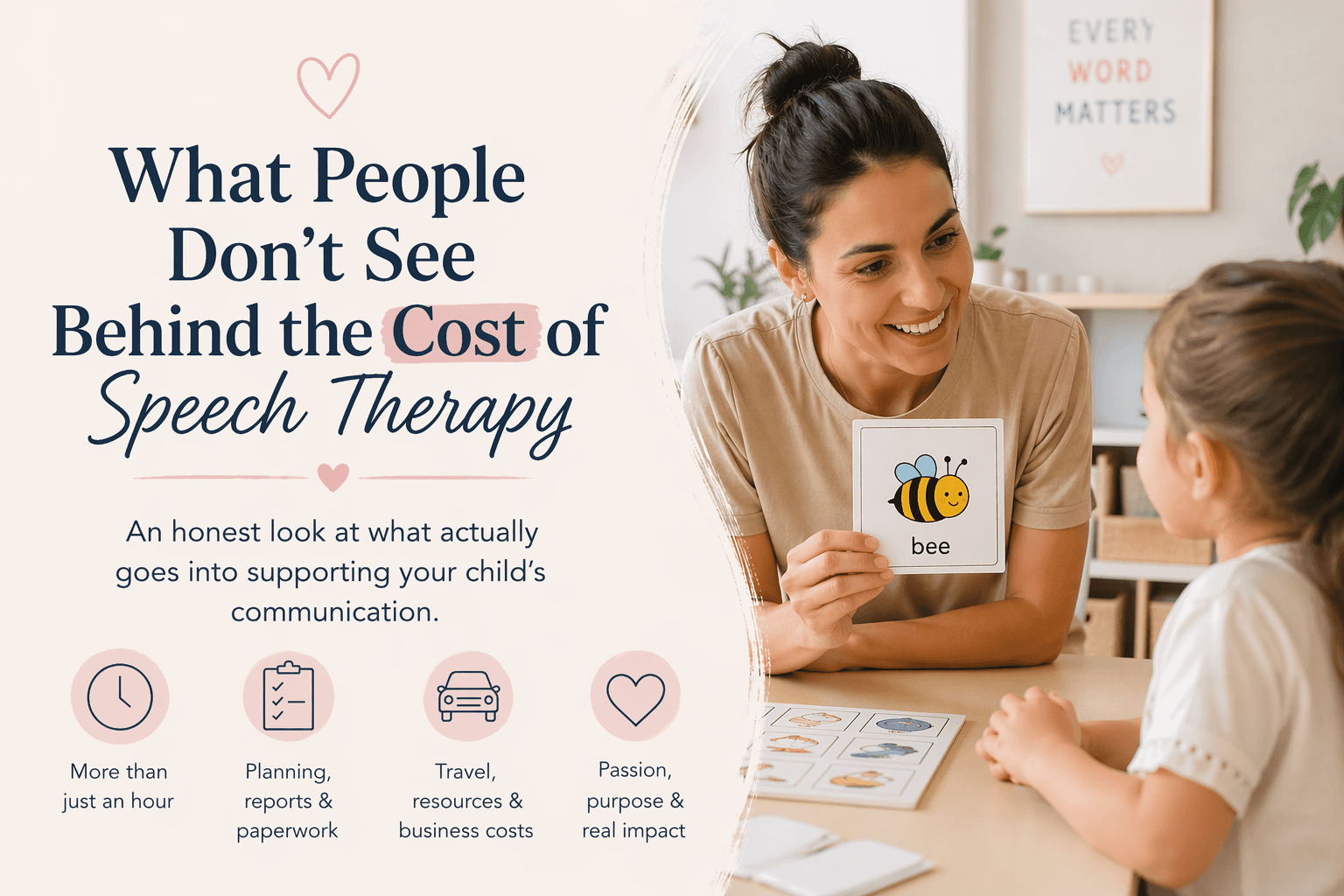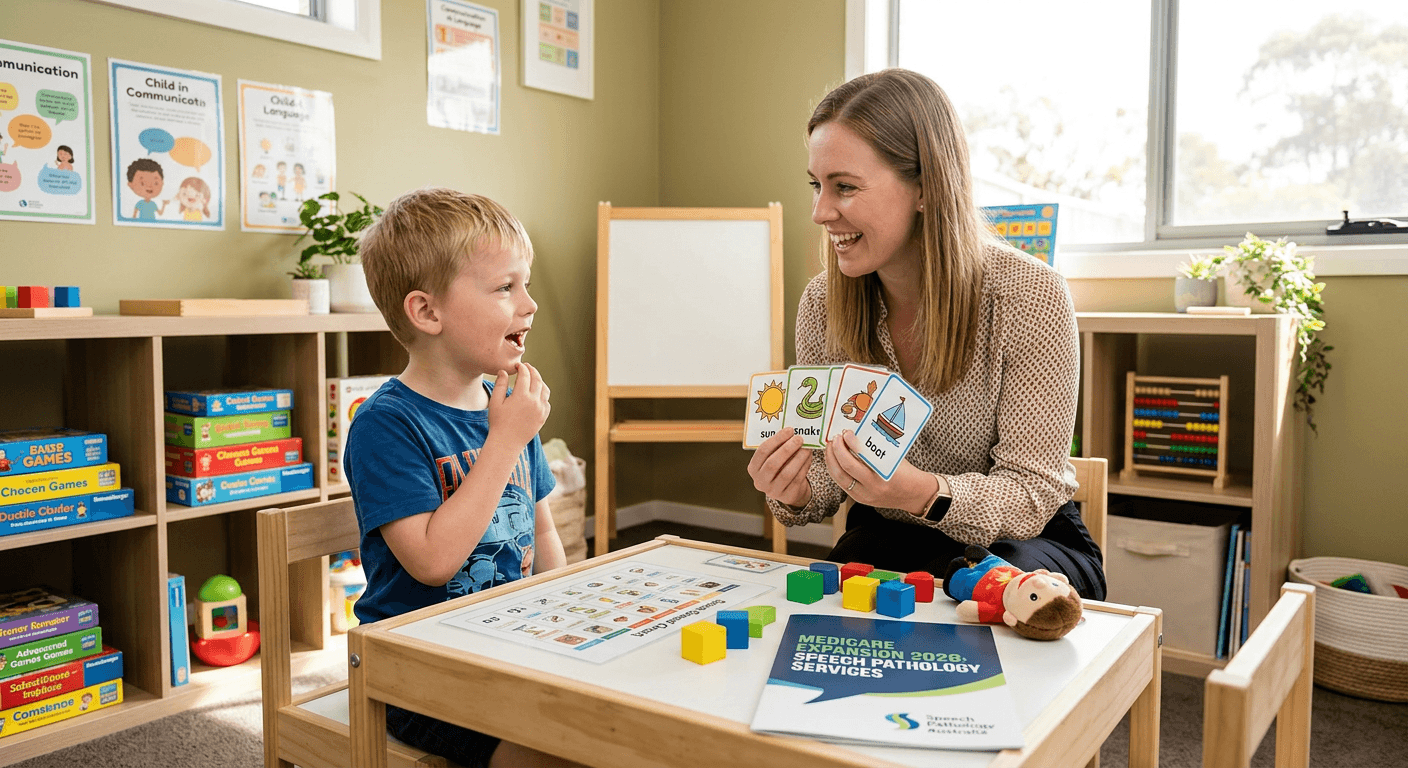
From March 2026, Medicare has expanded access to speech pathology services for children and young people. This is a significant update and reflects ongoing advocacy from Speech Pathology Australia to improve access to communication support.
What’s changed?
Medicare now includes rebates for support with:
- Stuttering
- Speech sound difficulties (including articulation and phonological disorders, childhood apraxia of speech, and dysarthria)
- Cleft lip and/or palate
Previously, many children with these needs weren’t eligible for Medicare-supported speech pathology services, so this is a welcome change for many families.
Who is eligible?
To access these rebates, a child or young person generally needs to:
- Be under 25 years of age
- Have a referral from a GP, specialist, or consultant physician
- Have (or be suspected of having) one of the eligible speech conditions
If you’re unsure whether this applies, a GP or speech pathologist can help clarify this.
What support is available?
Eligible individuals can access:
- Up to 8 assessment sessions
- Up to 20 therapy sessions
These are lifetime allocations, rather than yearly entitlements, so families can use them when they are most needed.
Why this matters
For many families, this change will make a real difference by:
- Improving access to earlier intervention
- Reducing out-of-pocket costs through Medicare rebates
- Recognising speech and communication as an essential part of health and development
We know that early support can have a meaningful impact on long-term communication outcomes, so this is a positive step forward.
A few important notes
This update does not include all communication difficulties. For example, children with Developmental Language Disorder (DLD) are not currently covered under this Medicare expansion.
Families in this situation may still access support through private services or, where eligible, the NDIS.
What to do next
If you think your child may be eligible, the first step is to speak with your GP about a referral under the Medicare M10 pathway.
You’re also welcome to get in touch if you’d like help understanding whether this applies to your child or what support options might look like.
If you’re unsure whether this applies to your child or you’d like support working through the referral process, you’re welcome to get in touch. I’m always happy to talk through options and help you understand what support might be available.
You can contact me at Write to Speak Speech Pathology via:
📞 0477 580 898
📧 rebecca@writetospeak.com.au
🌐 www.writetospeak.com.au